Resident found unresponsive and not breathing: what a CNA does in the first 60 seconds
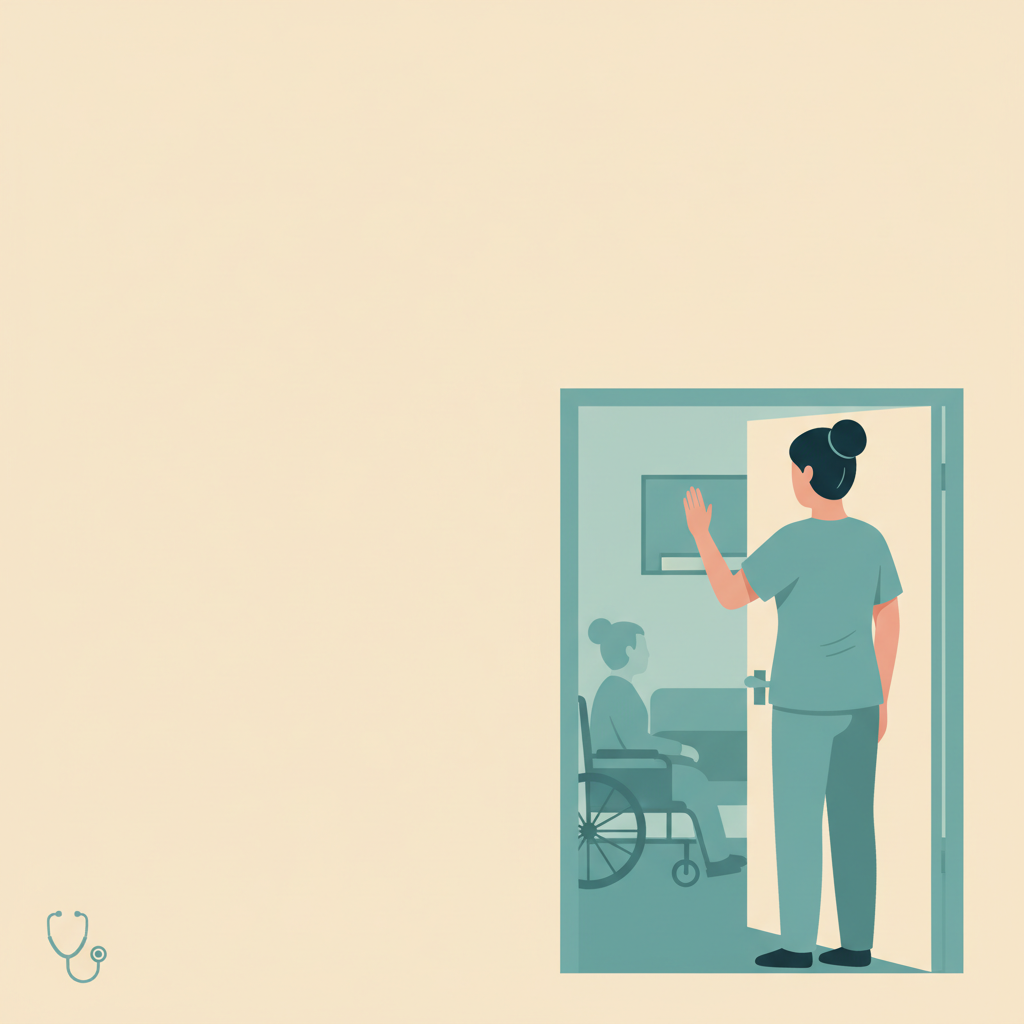
You walk in for rounding and the resident is slumped over, not responding, not breathing. What you do in the first minute decides everything, and most CNAs freeze. Here's the actual sequence.
A CNA on r/cna posted this:
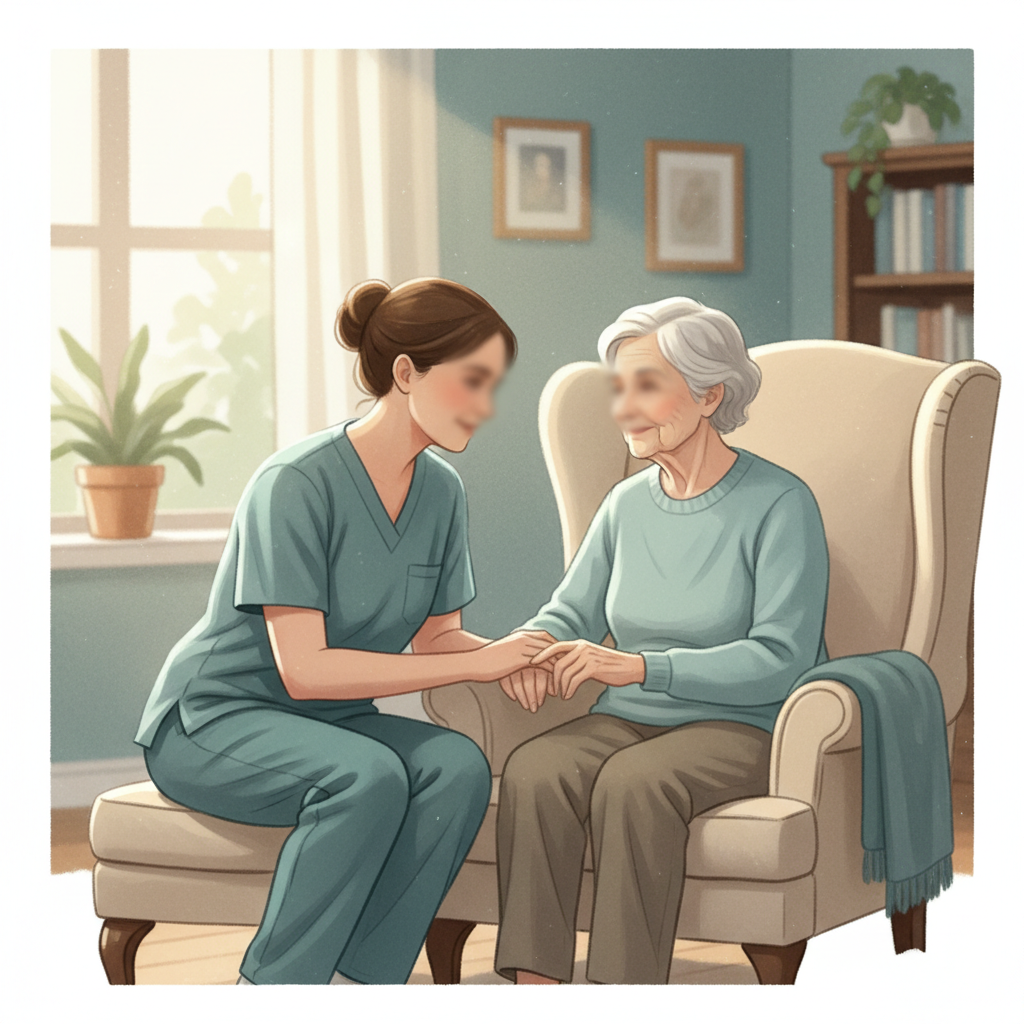
I went in to do my 2-hour rounding check and one of my residents was slumped over in her wheelchair, eyes half open, not responding when I called her name. I yelled her name louder, shook her shoulder, and she didn't move. I couldn't tell if she was breathing. I just stood there for what felt like a minute but was probably 5 seconds, my brain totally blank, before I ran to the hallway to get the nurse. I keep replaying it and I don't know if I did the right thing or if I should have started CPR or something else. She ended up being okay, but the nurse said she had low blood sugar. Would I have killed her if I'd put her in the recovery position? Did I do the wrong thing by leaving her to get the nurse?
This is one of the most terrifying moments in CNA work, and the freeze is normal. Here's the actual sequence, what you do, what you don't do, and how to think about it after.
The first 60 seconds, step by step
Your body will want to do one of three things: freeze, run for the nurse, or start shaking the resident harder. None is what you want. The sequence is the same every time, and it's short enough to fit in your head even when your brain is gone.
1. Check responsiveness — name and touch.
Walk in. Say the resident's name out loud, loudly but not shouting. Tap the shoulder. Use their preferred name if you know it. Look for any response at all — eye opening, a sound, a flinch, turning toward you. If you get nothing, tap harder. Still nothing, that's unresponsive.
2. Check for breathing and a pulse — at the same time, for no more than 10 seconds.
This is the part that scares people, because you're leaning close to someone's face. You're checking two things: is the chest rising at all, and do you feel a pulse at the wrist or side of the neck. Both at the same time, for 10 seconds — not 30, not "until you're sure." If there's no breathing and no pulse after 10 seconds, that's cardiac arrest in a way that matters to you.
A few things to know: gasping is not breathing (agonal breaths — guppy-like, irregular gasping — counts as not breathing), you're not diagnosing anything (three yes/no questions: responsive, breathing, pulse), and if you're not sure there's a pulse, there isn't. Don't spend 30 seconds hunting for one. Move on.
3. Call for help. Do this before anything else.
Yell into the hallway. Hit the call light. Press the emergency button if your facility has one at the bedside. Bang on the wall. You're trying to get a nurse to you in 30 seconds, and you can't if you leave the room to find one.
If the resident is unresponsive and not breathing, you also need to call a code. In a SNF that means yelling "I need help in room [number], I have an unresponsive resident not breathing." Use the words "unresponsive" and "not breathing" — that's how people who can help you understand what's happening. Don't say "something's wrong with Mrs. Jones."
4. If no pulse and not breathing, start CPR.
In a SNF this is usually done in a chair or in bed, not on the floor. Get them on the floor if you have help — compressions in a chair don't work well, but compressions in a chair are better than none. Hands in the center of the chest, arms straight, shoulders over your hands, push hard and fast, about 2 inches deep, 100 to 120 a minute. Keep going until the nurse arrives, the resident responds, or you can't continue.
5. If there is a pulse but no breathing, that's different.
Rescue breaths, with a barrier mask if your facility stocked them at the bedside (most do). Tilt the head back, lift the chin, seal over the barrier, one breath every 5 to 6 seconds. Watch the chest rise. Reposition and retry if it doesn't.
6. If unresponsive but breathing, recovery position.
This is the case the OP was asking about. If the person has a pulse and is breathing but is unresponsive, put them on their side. The recovery position keeps the airway clear so they don't aspirate if they vomit. You don't start CPR on someone with a pulse. Put them on their side, stay with them, and keep checking breathing every minute until help arrives.
The thing almost no one says out loud
In a SNF, the resident is almost never a healthy 50-year-old. They're going to be on a DNR, DNI, comfort-measures-only, or full code — and you do not always know which when you walk in. The code status is on the chart, on the door, on the wristband, and the nurse is supposed to know.
Here's the practical reality. In the first 60 seconds, you probably don't know the code status. The right move is to start CPR and let the nurse stop you if there's a DNR — the nurse is the one who verifies code status. Your job in the first minute is to keep oxygen moving. "Should I have started CPR" has a clear answer: if no pulse and not breathing, yes. If there was a pulse, recovery position was right. If unsure, compressions are the safer default.
You will not be punished for starting CPR on someone with a DNR if the code status wasn't immediately clear. You can lose your job and your license for not starting CPR on a full code because you were afraid of being wrong.
What you do not do
- Do not run to the nurses' station first. Call out from the room — the hallway, the wall, the call light. The nurse has to come to you, because if the resident arrests and you're not in the room starting compressions, brain damage starts in 4 to 6 minutes.
- Do not give water, juice, or food. Even if your gut says "low blood sugar." They can't swallow. They will aspirate.
- Do not slap or shake hard to check responsiveness. A trapezius pinch — grab the muscle between neck and shoulder, hard — is the standard. Slapping the face is a movie thing.
- Do not try to move them to a "better" position before checking breathing and pulse. You might be moving someone with a spinal injury and delaying the things that matter.
- Do not leave the resident alone once you've found them unresponsive. The only reason to leave is to get help, and only after you've yelled into the hallway and gotten no response.
What happens after
Once the nurse takes over, your job becomes logistics. Bring the crash cart if it isn't there. Clear the hallway. Cover the other residents' call lights. Get the chart and code status paperwork ready. Tell the nurse, in one sentence, what you found and when: "I found her slumped in the wheelchair at 2:15, not responding to name or touch, breathing sounds agonal, no pulse at the wrist for 10 seconds."
Then step back, document, and go outside for five minutes. You will be shaking. That's adrenaline, and it's normal. Drink some water. Eat something. You just did a hard thing.
What the documentation should say
- Time you found the resident
- What you saw (position, skin color, responsiveness)
- What you checked (name, touch, breathing, pulse, how long)
- What you found (responsive/unresponsive, breathing/not, pulse/not)
- What you did, who you told, and when
- Who arrived and what happened next
Write it down as soon as you can. The longer you wait, the more memory smooths the edges, and the harder it is to defend yourself later if anyone questions what you did.
The part you actually came here for
The CNA in that post did not do the wrong thing. She froze for 5 seconds, then she got the nurse. The resident had low blood sugar — exactly the case where CPR would not have been right and the recovery position was the answer. The right question is not "did I do the wrong thing" but "do I know the sequence well enough that next time I don't freeze for 5 seconds."
The sequence: responsiveness, breathing and pulse at the same time for 10 seconds, call for help, then either CPR (no pulse, not breathing) or recovery position (pulse and breathing, unresponsive). Learn it once and it stays with you.
If this kind of post is useful, the full ExamReady library has 1,500+ practice questions, clinical skills with critical-step tracking, and an AI tutor that explains every answer — the same scope-and-voice approach as these posts, with the actual exam tools attached. A 7-day free trial gets you the whole thing, no card required.