Resident wants to leave AMA: what to do when they say 'I want to go home'
A real r/cna question about a SNF resident with decisional capacity who insists on going home right now. What 'AMA' actually means, what your role is, and what to do in the moment.
A CNA on r/cna posted this:
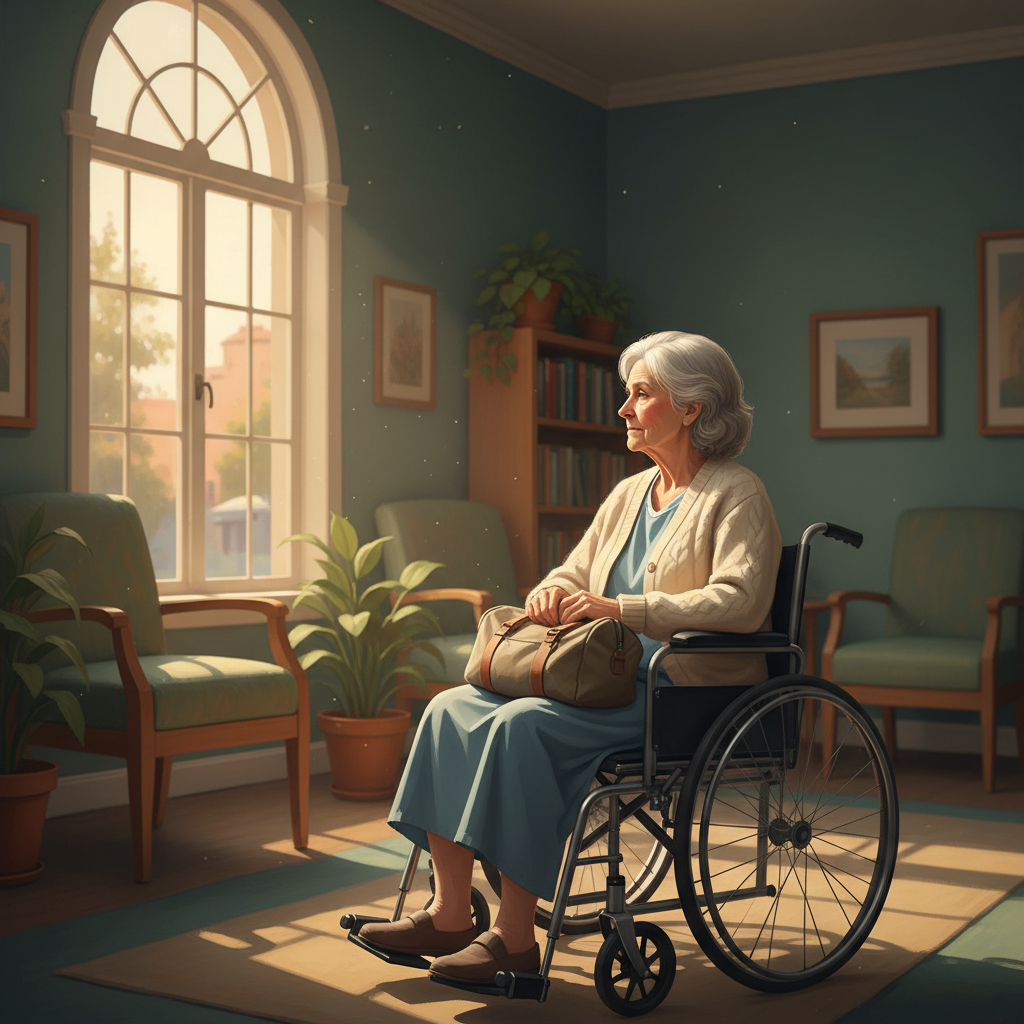
I work evenings at a SNF and tonight a resident I've had for two weeks told me she's "leaving tonight" because her daughter is coming to pick her up. She doesn't have any discharge paperwork, no doctor's order, and she's clearly oriented (x3 at minimum — she knows who she is, where she is, and what year it is). She's not on hospice, no dementia diagnosis, she's just... decided she's done. I told her she needs to talk to her nurse and she got upset with me and said I was "holding her prisoner." I don't know what to do. I've never had this happen before. What's my role here?
This post got 412 upvotes and 96 comments. It's one of the most stressful situations a new CNA can walk into. Here's what's actually happening and what to do in the moment.
What "AMA" means
AMA stands for Against Medical Advice. When a patient with decision-making capacity decides to leave a facility before being discharged by a provider, that's an AMA discharge. It doesn't require a doctor's permission — patients have a legal and ethical right to refuse care and to leave, as long as they have capacity and understand what they're doing.
The legal framework here is well established. A facility can only physically prevent a patient from leaving in narrow circumstances: they lack capacity, they pose an immediate danger to themselves or others (psychiatric hold, elopement risk with dementia), or there's a court order. A confused patient who can't answer orientation questions and is trying to walk out the door is a different problem than an oriented adult who is calmly insisting on going home.
What your role is NOT
A common mistake is to think it's your job to convince them to stay. It isn't. You're not the discharge planner, you're not the doctor, and you're not the social worker. If you try to argue the resident into staying, you'll escalate the situation and almost certainly make it worse. Residents who feel "trapped" by frontline staff become more determined to leave, not less.
You're also not the gatekeeper. Physically blocking the door, taking away their clothes, hiding their shoes — those are not your call and they create serious liability for you and the facility.
What to do in the moment
1. Stay calm and acknowledge what they said. Don't argue, don't lecture, don't immediately say "you can't do that." A good first response is something like: "I hear you. You want to leave tonight. Let me get your nurse so we can talk through what's possible." This buys you time, validates the resident, and puts the right person in the room.
2. Notify the nurse immediately. This is not a "I'll mention it at shift change" situation. The nurse needs to know right now. The provider may need to come in. Social work may need to be called. AMA discharges involve paperwork, capacity assessment, and often a discussion about risks — that's all above CNA scope.
3. Don't leave the resident alone if they're actively trying to leave. You don't have to physically restrain them. But if they're getting dressed, gathering belongings, or moving toward the exit, stay with them (or have someone stay with them) so they're not unsupervised while the team is being notified. This is for their safety and yours.
4. Don't lie about their rights. If they ask "Can you stop me from leaving?" the honest answer is "I can't, and I won't try to. Let's get the nurse in here so we can talk through it." Some CNAs get trained to say things like "the doctor hasn't cleared you yet" as a delay tactic. That's sometimes used in practice, but if the resident calls the bluff and walks, you've now damaged the trust relationship. Be honest.
How to assess whether this is really AMA
There are a few things that look like AMA but aren't:
They're confused and trying to "go home" because they don't know where they are. This is elopement behavior, common with dementia. The plan here is different — redirect, follow your facility's elopement policy, notify the nurse, don't try to reason with them. Different problem, different response.
They're going through a delirium episode. New confusion, fluctuating awareness, possibly a UTI or recent med change. Treat the underlying cause; the "wanting to leave" usually resolves when the delirium does.
They're depressed and expressing a desire to leave as a cry for help. Listen, document, flag to the nurse and social work. This isn't AMA, it's a mood issue that needs follow-up.
They have full capacity and a clear reason. This is the actual AMA scenario. They want to leave, they understand their medical conditions, they understand the risks of leaving, and they're making the call anyway. Their call to make.
The nurse's job after you notify them
Once the nurse takes over, here's what should happen, roughly in order:
- Capacity assessment (often informal — can they state the risks of leaving? do they understand what's being treated? do they have a plan for follow-up?)
- Notification of the provider
- Discussion of risks: infection, fall, missed medications, wound care, whatever's relevant
- AMA paperwork signed (the resident signs that they're leaving against medical advice; the facility doesn't "let them go," the resident chooses to go)
- Documentation of the conversation, the resident's stated understanding, and any follow-up plans offered
- Discharge instructions if the resident will accept them
You won't be doing most of this. But you might be asked to witness the resident signing the AMA form. That's appropriate to your role.
What NOT to do
- Don't physically block the exit, even if you're worried about them
- Don't take their belongings, hide their phone, or "accidentally" lose their shoes
- Don't argue with them about whether they're making a bad decision
- Don't call family members on your own to "talk them out of it" — that's the nurse or social worker's call
- Don't promise things you can't deliver ("I'll get you discharged in an hour")
- Don't document your opinion of their decision ("patient left AMA being unreasonable") — just document what happened, in their own words when possible
Document what you saw
Even though the AMA paperwork is the nurse's, your charting matters. Document:
- Time you were told / observed the resident expressing intent to leave
- Their stated reason, in their words
- That you notified the nurse (and when)
- Their mental status at the time (oriented x3, calm, no acute distress, etc.)
- Any belongings or valuables they had with them
- Whether family was present or expected
If there's ever a question about whether the resident was coerced, or whether they had capacity, or whether the facility followed its own policy, your chart note is part of the record. Keep it factual and brief.
The hard part
Some residents will leave AMA and you will worry about them. The resident with a fresh wound vac who's choosing to go home alone. The dialysis patient skipping their next run. The CHF patient who swears they'll "be fine" without their Lasix.
That's the weight of working in long-term care. The legal framework says they can choose. The medical framework says it's a bad idea. Your job is to make sure the right people know, document what happened, and let the resident make their own call. You can disagree with their decision. You can't override it.
If the resident leaves and you're worried about their immediate safety (they're in a gown in January, they're driving themselves while on opioids, etc.), tell the nurse. Some facilities will involve social work or, in rare cases, police for a welfare check. That's above your scope to decide.
If this kind of post is useful, the full ExamReady library has 1,500+ practice questions, clinical skills with critical-step tracking, and an AI tutor that explains every answer — the same scope-and-voice approach as these posts, with the actual exam tools attached. A 7-day free trial gets you the whole thing, no card required.