First solo shift as a new CNA: how to survive being overwhelmed
A real r/cna question from a brand-new CNA who got a full 12-resident assignment on day one and is drowning. What actually helps when the workload is real and you don't know where to start.
A CNA on r/cna posted this:
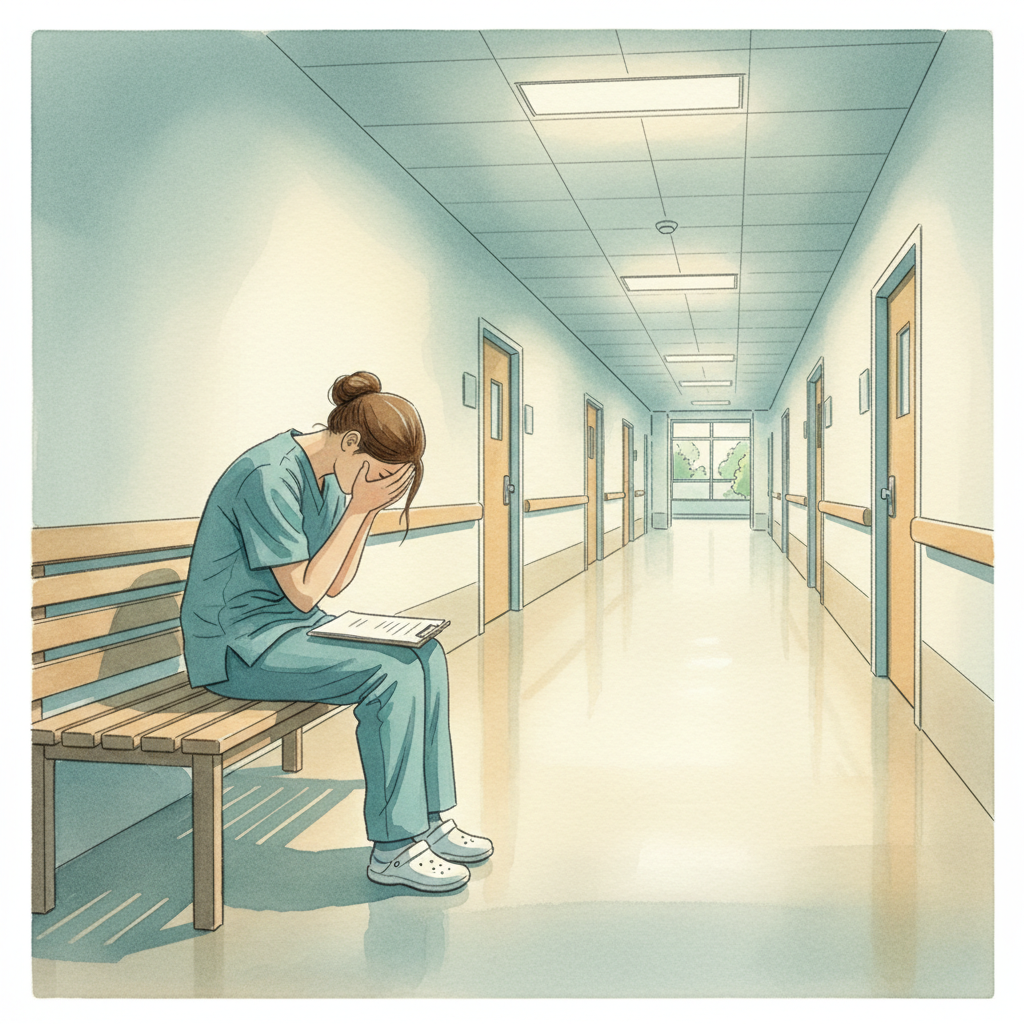
I just got my CNA license last month. I finished my clinicals, passed my test, and started a job at a SNF two weeks ago. Today was my first real solo shift with my own assignment — 12 residents on the day shift, two of them total cares, three of them with dementia, one on hospice, and one who is a two-person assist. I had a preceptor my first two weeks but today I was on my own with another brand new aide and we were both drowning. I didn't get everyone up before breakfast, I was late on my vitals, I forgot to document a couple of intake percentages, and by lunch I was in the bathroom trying not to cry. Is this normal? Am I just not cut out for this?
This post got 1,200+ upvotes and hundreds of replies, almost all of them saying the same thing: yes, it's normal, and no, you're not failing. Here's what's actually going on and how to make the next shift survivable.
Why the first solo shift feels impossible
The CNA program teaches you skills. It does not teach you how to manage a full assignment of 12 residents with overlapping needs while answering call lights, doing vitals, charting, and helping your coworkers. That part is learned on the floor, and it takes most people 3-6 months to feel competent. The learning curve isn't a personal failure. It's the job.
A few things make the first solo shift specifically brutal:
You don't have a routine yet. Experienced CNAs walk onto the floor and immediately know the order — who gets up first, who refuses care, who needs to be at the dining room by 7:30, who is a fall risk, who voids every 20 minutes. New CNAs are making those decisions for the first time, and each decision eats mental energy you don't have.
You don't have shortcuts. The experienced aide knows which resident's room has the working blood pressure cuff, which call light is the "real" one and which is broken, where the extra chux are, which nurse will actually answer a page. You spend your first month just learning the geography of the building.
Everything feels equally urgent. The new CNA doesn't know what can wait. So you try to do everything simultaneously and end up finishing nothing on time.
You're doing skills under observation. Even alone, you feel watched — by the nurse, by the residents, by yourself. That uses a level of attention you don't have to spare.
The "am I cut out for this" question
Almost everyone who lasts in this work asked themselves this in their first month. The CNAs who wash out in the first six months usually wash out because of scheduling, pay, or a genuinely toxic facility — not because they couldn't handle the work. The CNAs who stay almost universally say the same thing: it got better, but not on its own.
The first month of solo work is the hardest month you'll have in this career. If you can get through it, you've proven you can do the job.
What actually helps on shift
1. Build a paper brain.
Write down the assignment list with the room numbers, the care level, and three columns: AM cares, vitals, and "things to remember." Carry it on you. Check things off as you go. This is not optional. Experienced CNAs do this in their head; new CNAs need it on paper. Every CNA you ask will tell you they still write things down.
2. Pick a starting point and stick to it.
Don't try to optimize your route. Pick the same resident, in the same order, every shift, for at least two weeks. The repetition builds the routine. Once you have the routine, you can start adjusting it based on which residents need more time.
A reasonable starting order for day shift:
- The two-person assists first (you need a partner for these)
- Total cares next (longest tasks while you have energy)
- Hospice / comfort cares whenever the resident is awake and willing
- Independents last (they can wait, mostly)
- Dining room drop-offs before breakfast ends
3. Round on everyone every two hours.
Even if you can't do a full set of cares, walk into every room, every two hours, and say "hi, I'm checking on you, is there anything you need before I come back at [time]?" This single habit prevents 80% of call-light emergencies, including the 3 AM "I haven't seen anyone in 20 minutes" complaints.
4. Cluster your tasks.
When you go into a room, do everything you can in that visit. Vitals + toileting + peri care + repositioning + fluids + a quick chart note. The experienced aide does this automatically. New aides go in five times to do five things. The repetition itself is what wears you down.
5. Eat lunch.
You are legally entitled to a meal break. You will be tempted to skip it to "catch up." Don't. A 20-minute break will save you from making the kind of mistake that ends your career — the missed aspiration, the wrong transfer technique, the resident you didn't turn because you were rushing.
The things that are actually red flags
Some parts of your first solo shift aren't "new CNA struggles." They're signs of a facility that's failing you:
- You were given a full assignment on day one with no support. Most facilities give new CNAs a reduced assignment for the first few weeks. If you got 12 residents with no preceptor nearby on day one, the facility is short-staffed, and they're hoping you won't notice.
- You can't find your nurse when you need them. The nurse is supposed to be available to clarify orders, take your concerns, and handle meds. If your nurse is also doing CNA work or is unreachable, that's a system problem, not a you problem.
- You were assigned residents with skills you haven't been checked off on. You should not be doing two-person transfers alone, or wound care, or anything else you weren't trained on. If you are, that's a legal issue for the facility, and you should refuse and document the refusal.
- You feel unsafe. If you're being asked to lift residents alone, skip rounding, or work past your shift because "no one else is coming," that is not normal. That is a facility taking advantage of you.
What to document on a bad shift
When you go home crying (and many of you will, in the first month), document the shift before you leave it. Write down:
- Your assignment and the care levels
- Which residents you got to and which you didn't
- What you skipped and why
- Any concerns you flagged to the nurse
This protects you if there's ever a complaint. It also helps the charge nurse see that the assignment was unreasonable, which is data they need.
The honest part
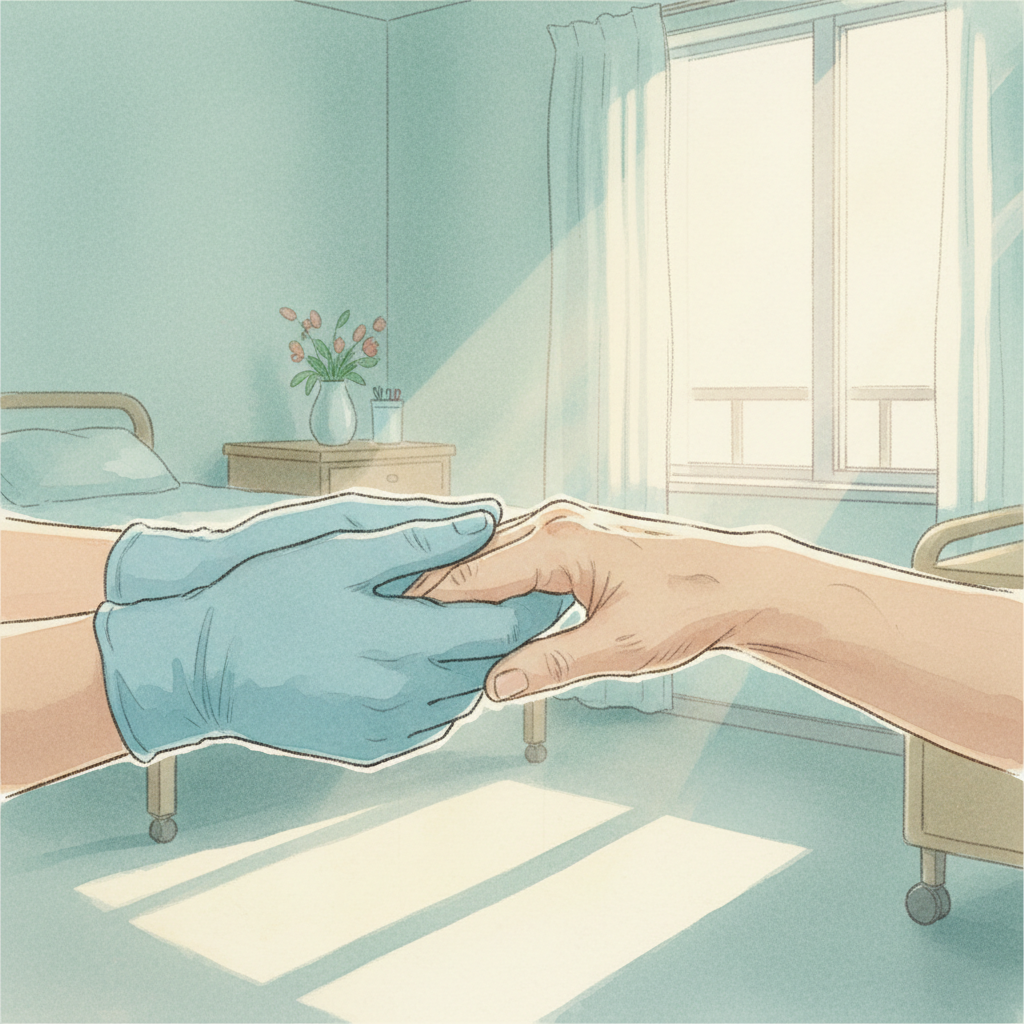
Being a CNA is hard. The first year is harder than most people expect. The work is physical, the pay is low, the schedule is brutal, and you will be yelled at by people who are scared and in pain. If you stay, you stay because you can do the work, and because somewhere along the way a resident grabs your hand and says thank you in a way that makes the rest of it make sense.
If the job isn't for you, that's fine. Knowing after one shift that this isn't what you want is faster than knowing after five years. But if you're asking "am I cut out for this" because you cried in the bathroom on day one — that's not failure. That's the first day of a hard job, and almost everyone who stayed in this work had that same day.
If you want to practice the skills before your first solo shift, the clinical skills module walks through every critical step with the exact sequence you need on the floor.
If this kind of post is useful, the full ExamReady library has 1,500+ practice questions, clinical skills with critical-step tracking, and an AI tutor that explains every answer — the same scope-and-voice approach as these posts, with the actual exam tools attached. A 7-day free trial gets you the whole thing, no card required.