 ExamReady CNA
Walked in on a resident undressed: what to do in the moment and after
A real r/cna question about a CNA who opened the wrong door and saw a resident undressed. What you do in the next five seconds matters more than you think, and the wrong move can become a dignity, HIPAA, or abuse-report issue.
A CNA on r/cna posted this:
I'm a new CNA, about 2 months in. This morning I was rushing to answer a call light and I didn't knock, just pushed the door open to go in. The resident in that room (not the one with the call light — I had the wrong room) was sitting on the side of the bed in just a depends. She yelled at me "GET OUT!" and I just froze, said sorry, and backed out. I closed the door. I feel terrible. Did I do something that could get me fired? Do I have to report this? She looked really upset.
This is one of those moments that happens to almost every CNA at some point, and the post gets asked in some form every few weeks. The answer matters because the way you handle the next five seconds, the next five minutes, and the rest of the shift can each go very differently.
What just happened, clinically
Walking in on a resident who is partially or fully undressed — even by accident — is treated by the facility the same way an intentional exposure would be. From the resident's side, there is no difference. They didn't consent to be seen, and the experience can feel identical to being walked in on at home.
What makes this an actual workplace issue (rather than just an awkward moment) is that long-term care residents have a legal and ethical right to privacy and dignity in care. The facility's policies, the state surveyors, and the resident's family will all treat the situation through that lens, regardless of intent. That's not a cynical take — it's the framework that exists to protect people who are in a vulnerable position.
So yes, this matters. But no, it almost certainly does not mean you're fired, and you should not panic.
What to do in the five seconds
The instinct to freeze and back out is correct. Here is what the first interaction should look like:
- Acknowledge immediately. A calm, sincere "I am so sorry, I had the wrong room" said before you leave the room. Don't over-explain, don't justify, don't laugh it off.
- Leave and close the door. Do not stay to "check if they're okay." That compounds the exposure.
- Reset yourself before the next interaction. Take three slow breaths in the hallway. Your next move should be calm, not flustered.
What you do not do:
- Do not stay in the doorway with your back turned trying to "wait it out." That is also an exposure.
- Do not finish whatever task brought you there. The wrong-room resident's needs are not the priority right now.
- Do not joke about it with coworkers in earshot of any resident or family.
What to do in the next hour
Once the resident has had a moment:
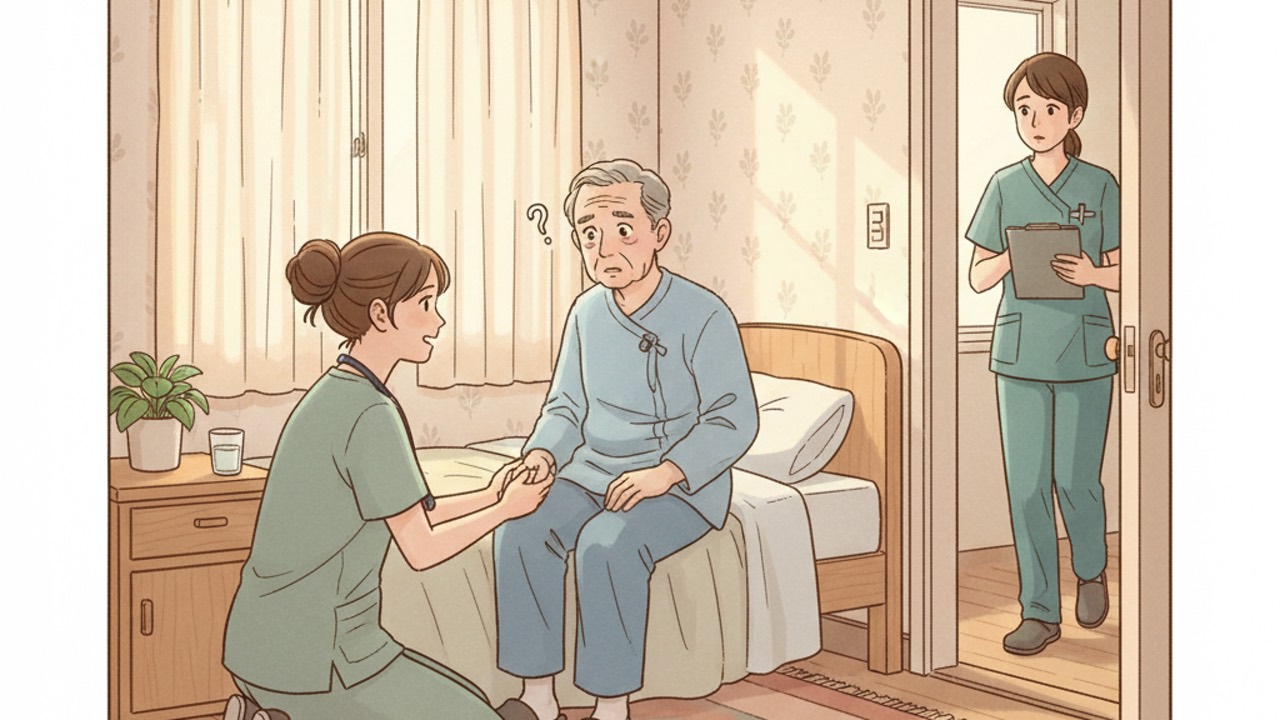
- Go back and apologize properly. Knock this time. Introduce yourself if you haven't met. "I am the CNA who came to the wrong room earlier — I just wanted to say again how sorry I am. That should not have happened, and I will make sure it doesn't happen again." Keep it short. Don't over-apologize — that becomes about you.
- Ask if there's anything you can do for them right now. Often the answer is no, and that's fine. The point is to restore their sense of control over the interaction.
- Tell your nurse. This is the part people avoid. You need to tell the nurse on shift what happened, even if the resident didn't complain. Not because you're reporting yourself for punishment, but because:
- The nurse may need to check on the resident
- If the resident does say something later, the nurse knowing first protects you
- The nurse can document a witness account while it's fresh
- Document. Per your facility's policy, you'll likely write an incident note or event report. Stick to facts: time, what happened, how you responded, how the resident reacted. Avoid adjectives. Avoid guilt. Facts.
What NOT to do
This is the part that gets people in trouble more than the original mistake.
- Do not hide it. If the resident tells their family, and you never said anything, the facility will treat the unreported incident as a separate problem. Hiding it makes a small mistake into a discipline case.
- Do not ask the resident not to say anything. That's not your call to make, and it will be read as a cover-up if it comes out.
- Do not over-correct with the resident. Avoiding their room for the rest of the shift is itself a problem — they need care, and your visible guilt makes the situation more uncomfortable for them, not less.
- Do not gossip about it. Even with good intentions ("I feel so bad, I walked in on Mrs. Smith"). Other staff, other residents, and families overhear things. If you need to process it, talk to the charge nurse, your preceptor, or someone outside of work.
What to do going forward
The actual cause of the incident is almost always one of three things: rushing, skipping the knock, or a room-number mix-up. Each has a small fix.
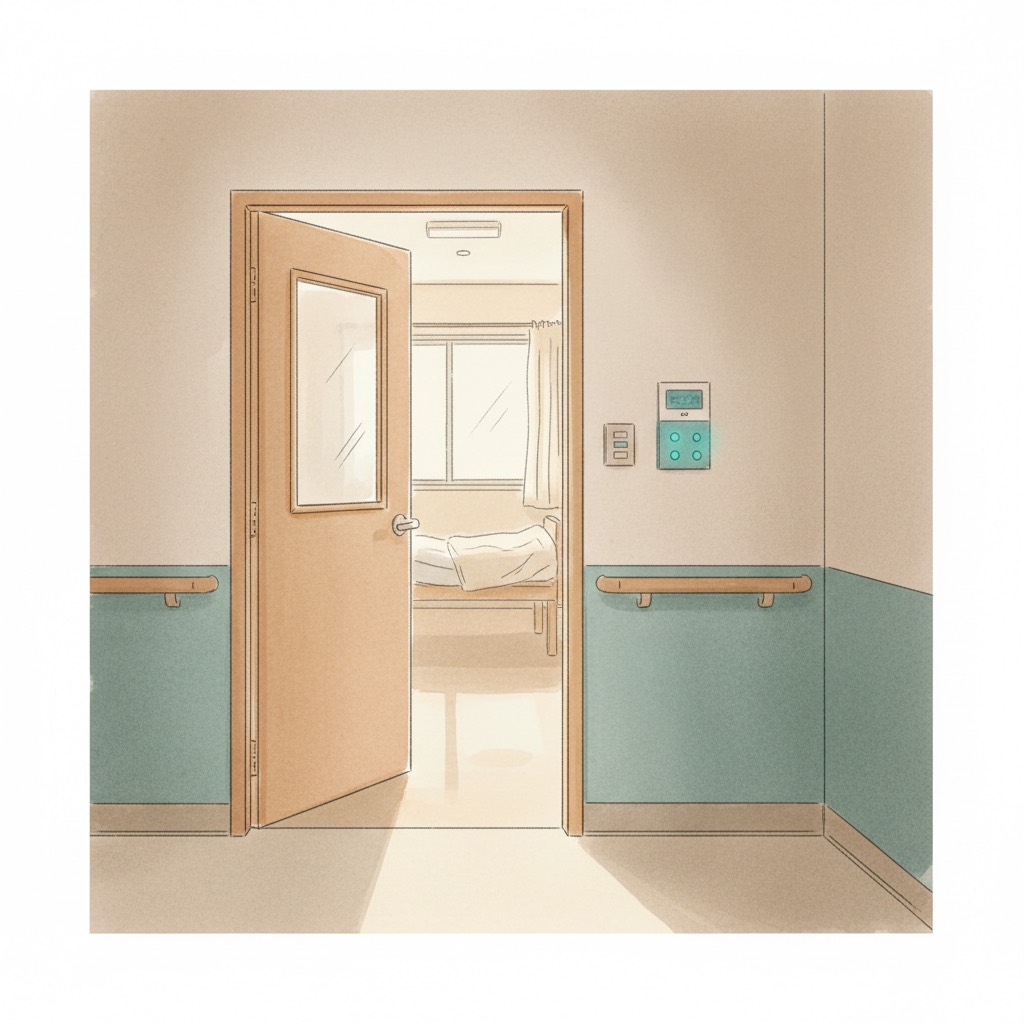
- Knock and pause. Every door, every time, even if you just left. Most facilities expect a 3-second pause for a verbal response before you enter. Build it as a habit, not a choice.
- Check the room number twice. When you're answering a call light, the call light display shows the room, but it doesn't hurt to glance at the doorframe too. Memory and rushing are the two most common causes of mix-ups.
- Slow down at shift change. Right after report, when the assignment is fresh, is when most wrong-room incidents happen. So is right after a meal, when call lights go off in clusters. If you feel rushed, that is exactly when mistakes happen.
Will this get you fired?
Almost certainly not, for a first-time, acknowledged, apologized-for incident that you reported yourself. Facilities understand that CNAs work in a high-volume, high-pressure environment and that humans make mistakes. What gets CNAs disciplined or terminated is unreported exposure incidents, pattern incidents, or attitude afterward.
If you handle it the way described above — apologize, report, document, learn — you will most likely get a write-up or a coaching conversation, and that will be the end of it. Surveys and lawsuits are about patterns and cover-ups, not single mistakes that were owned and corrected.
The emotional part
This is the part that doesn't get talked about enough. Walking in on a resident feels awful, and the way it can shake your confidence early in your career is real. Two months in, you are still building the muscle memory of knocking, of pausing, of slowing down even when call lights are screaming. Mistakes at two months in are expected by every charge nurse who's trained a new hire — even if no one says so out loud.
The fact that you feel bad is actually a sign you're taking the work seriously. The CNAs who don't feel bad after this are the ones to worry about, not the ones who do.
If this kind of post is useful, ExamReady CNA has practice questions with kind explanations, clinical skills walkthroughs with critical steps flagged, and a study coach. Start your 7-day free trial. 7 days free, then $9.99/month. Cancel anytime.
A little every day
Practice questions with kind explanations, and 23 clinical skills walkthroughs with critical steps flagged.
Start your 7-day free trial7 days free, then $9.99/month. Cancel anytime.